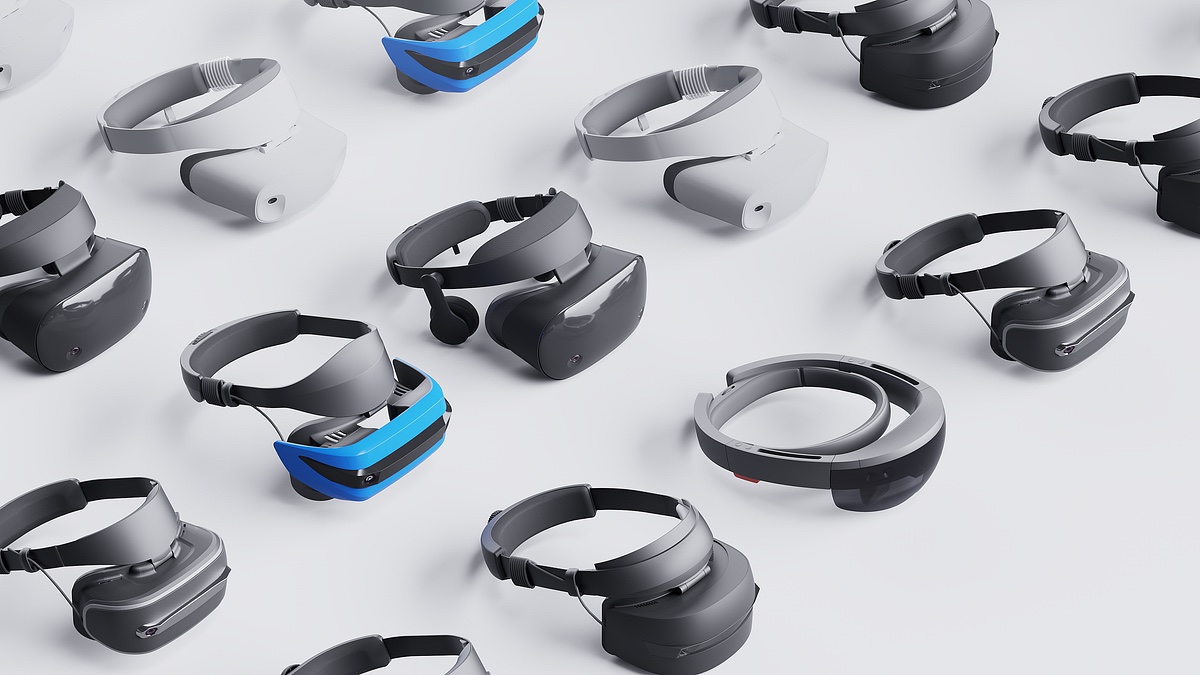
How Mixed Reality Is Shaping Tomorrow
A practical breakdown of the reality-virtuality continuum: reality, VR, 360 video, AR, augmented virtuality, and why terminology still matters.
This article is an extract from a talk I gave at GITEX in Dubai, adapted into written form while keeping the original framework and examples.
Mixed Reality: The Vision
Merging reality and fiction has been a constant human struggle.
Science fiction, psychedelia, and transcendental meditation were all early efforts to unveil the unreal inside ordinary life.
Today’s technology is making that vision safer and more achievable, and not only for dreamers.
But first: what exactly is Mixed Reality?
The modern definition traces back to Paul Milgram and Fumio Kishino’s 1994 paper, A Taxonomy of Mixed Reality Visual Displays.
That paper introduced the term “Mixed Reality” and the concept of the Reality-Virtuality continuum.
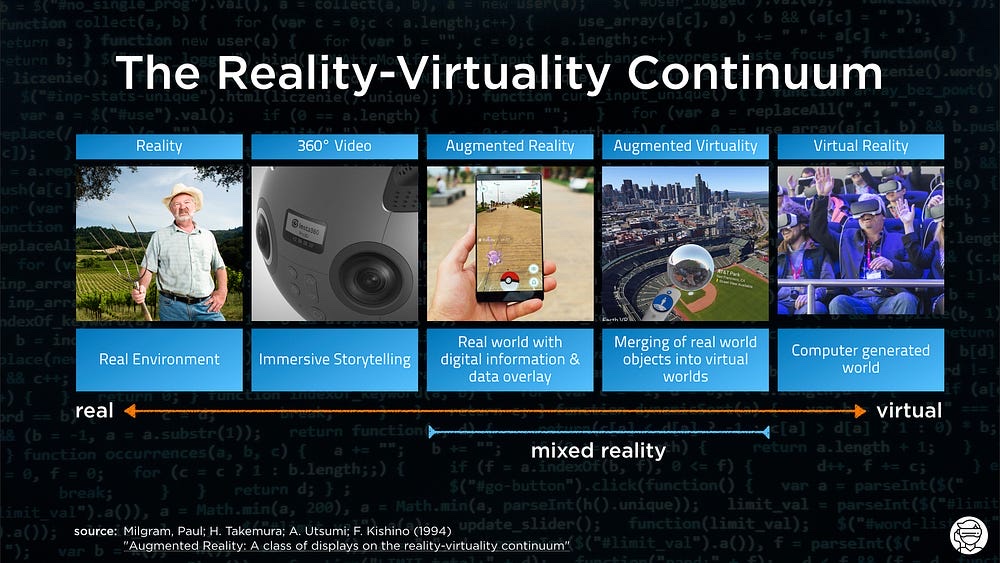
“The most straightforward way to view a Mixed Reality environment, therefore, is one in which real world and virtual world objects are presented together within a single display, that is, anywhere between the extrema of the virtuality continuum.”
Reality, VR, and the Spectrum In Between
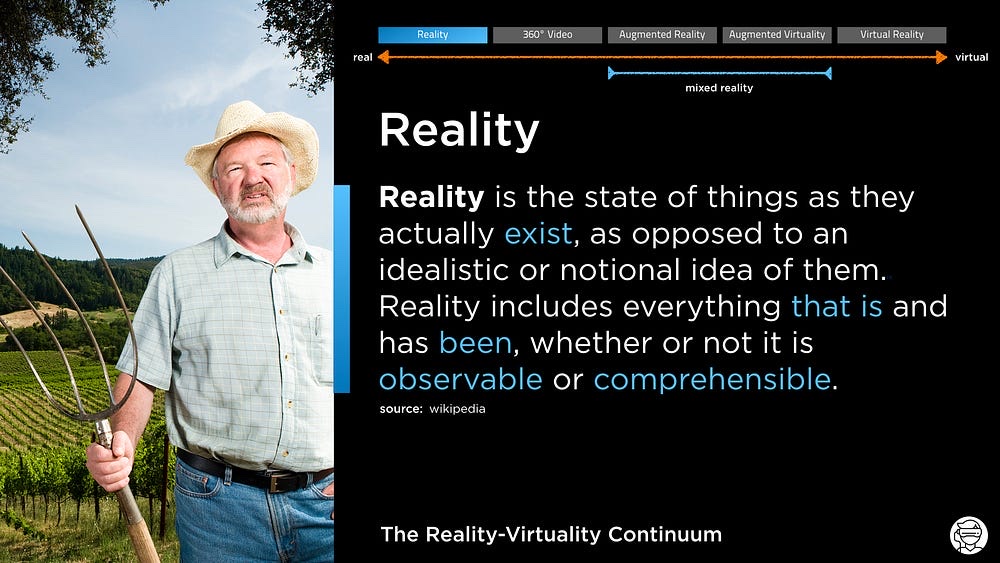
Reality is the world we perceive directly through sight, sound, touch, smell, and taste, without digital mediation.
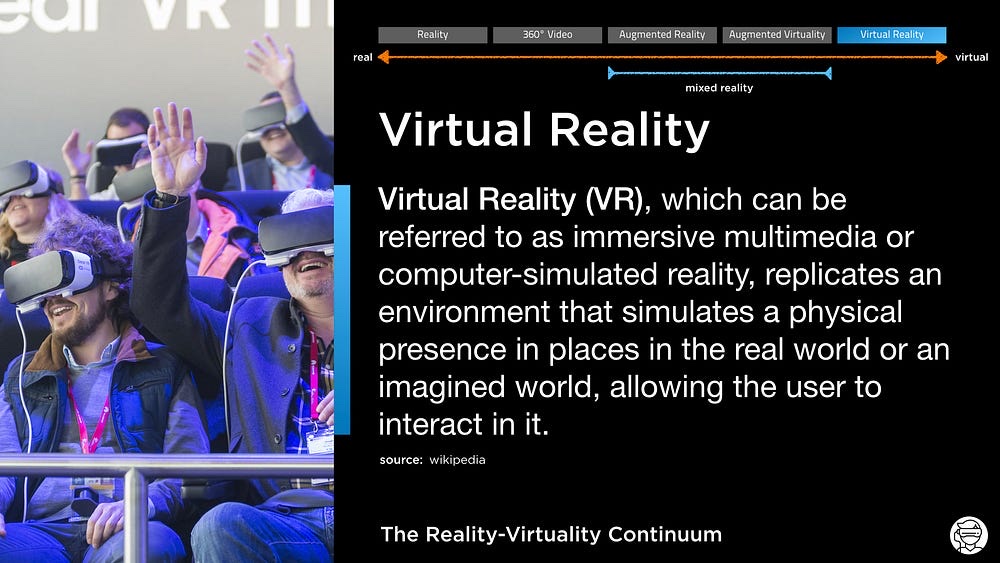
Virtual Reality sits on the opposite end: a fully synthetic sensory experience, usually rendered in real time and interactive.
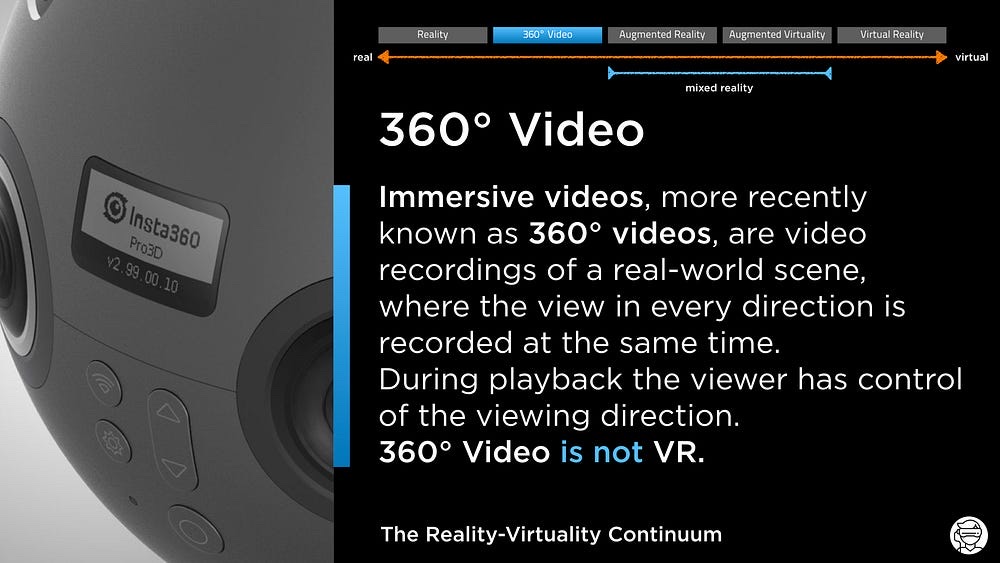
360 video is often marketed as VR, but that is misleading. It is closer to the reality side of the spectrum: a captured real environment, viewed immersively.
The Mixed Reality Zone
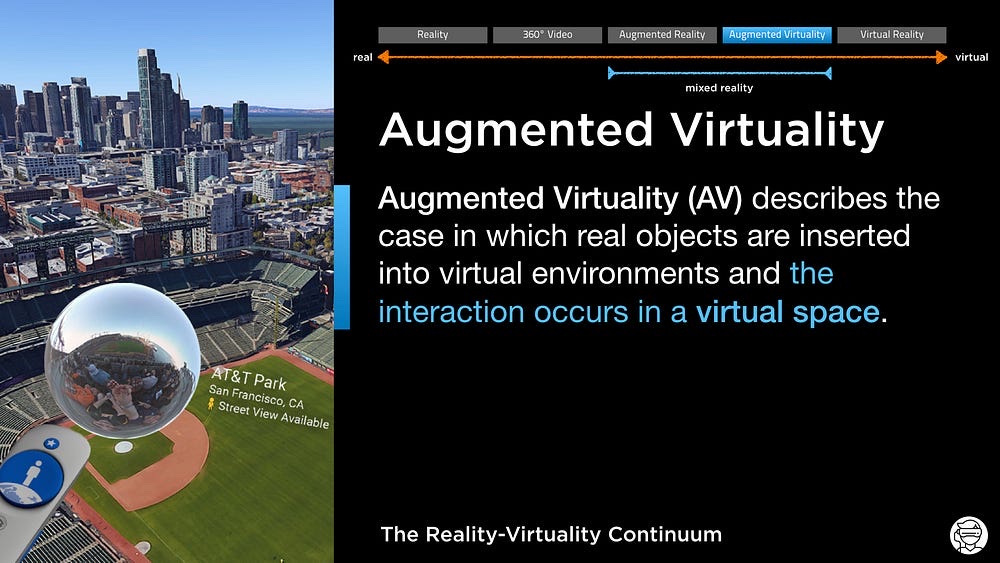
The center of the continuum is where real and virtual elements combine.
Mixed Reality is this in-between zone, where physical and digital layers coexist in one experience.
A useful split is:
- Augmented Reality (AR): virtual content added to the real world
- Augmented Virtuality (AV): real-world elements inserted into virtual environments
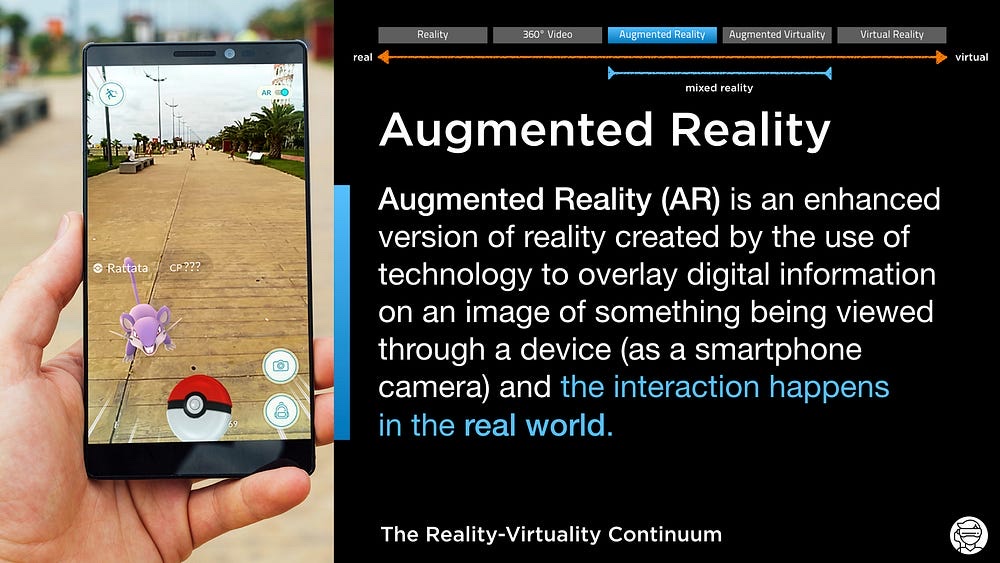
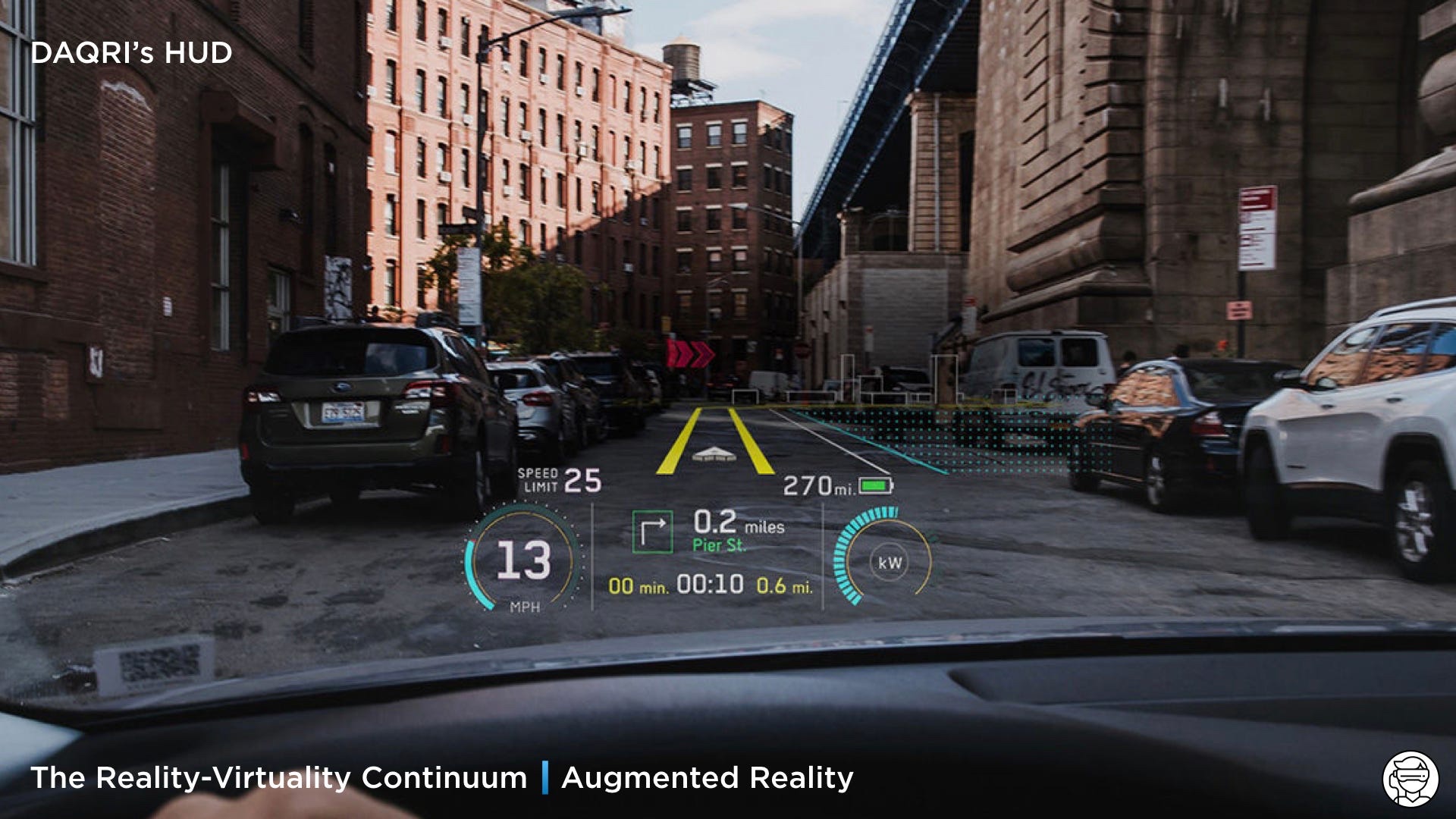
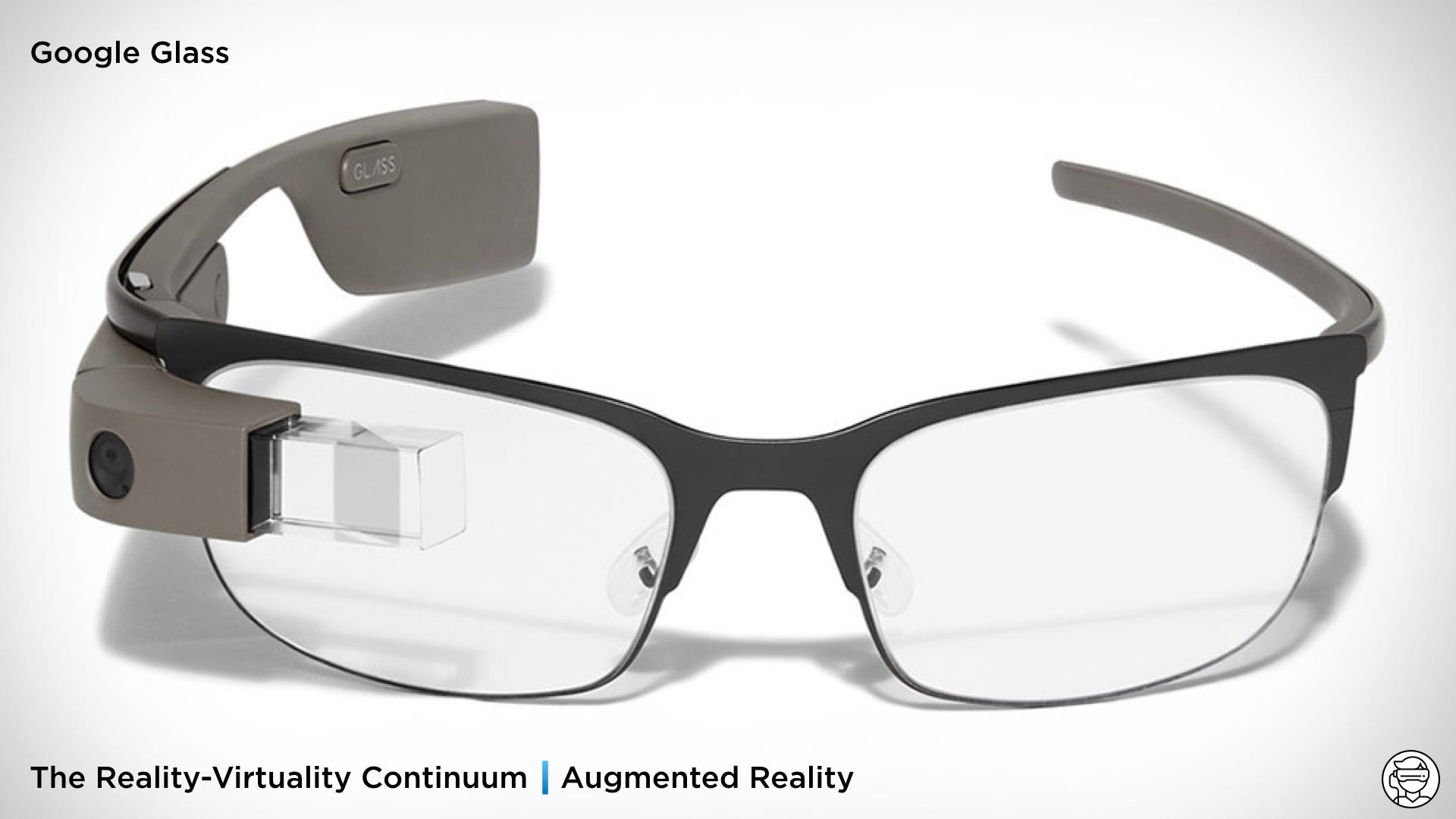
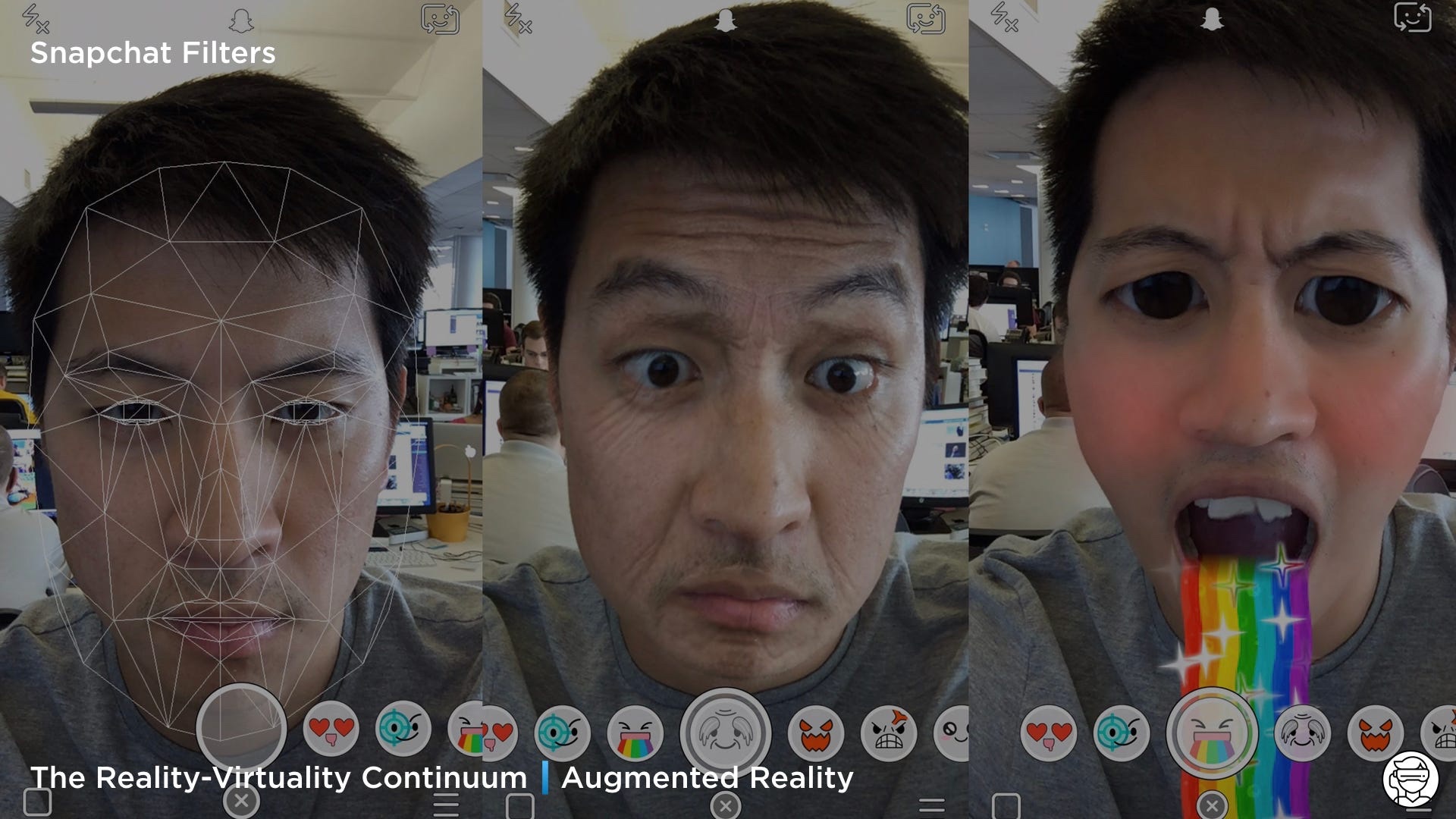
Examples of Augmented Reality include heads-up displays, Google Glass, Snapchat filters, Pokemon GO AR mode, Tango-era mobile AR, and HoloLens.
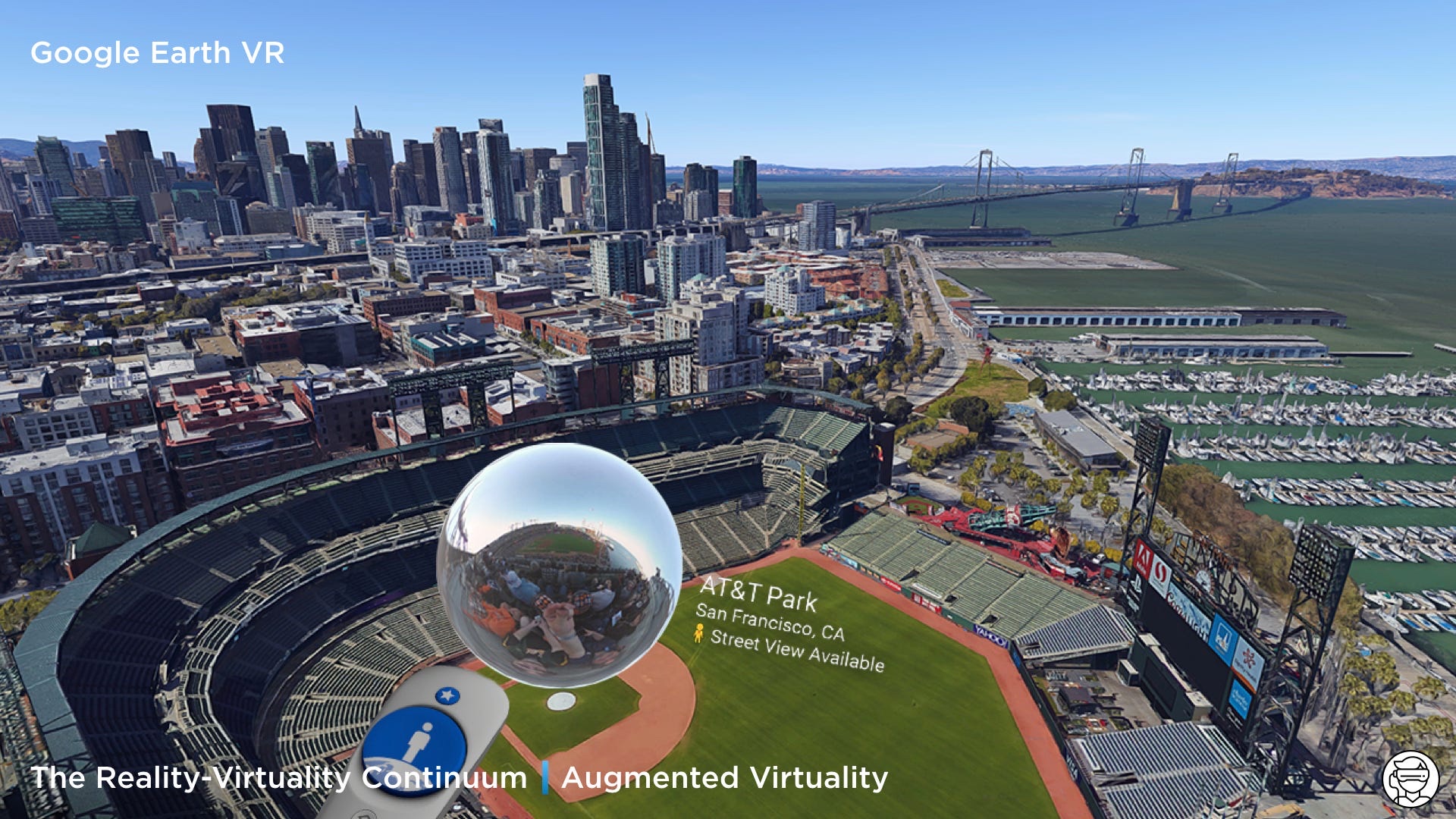
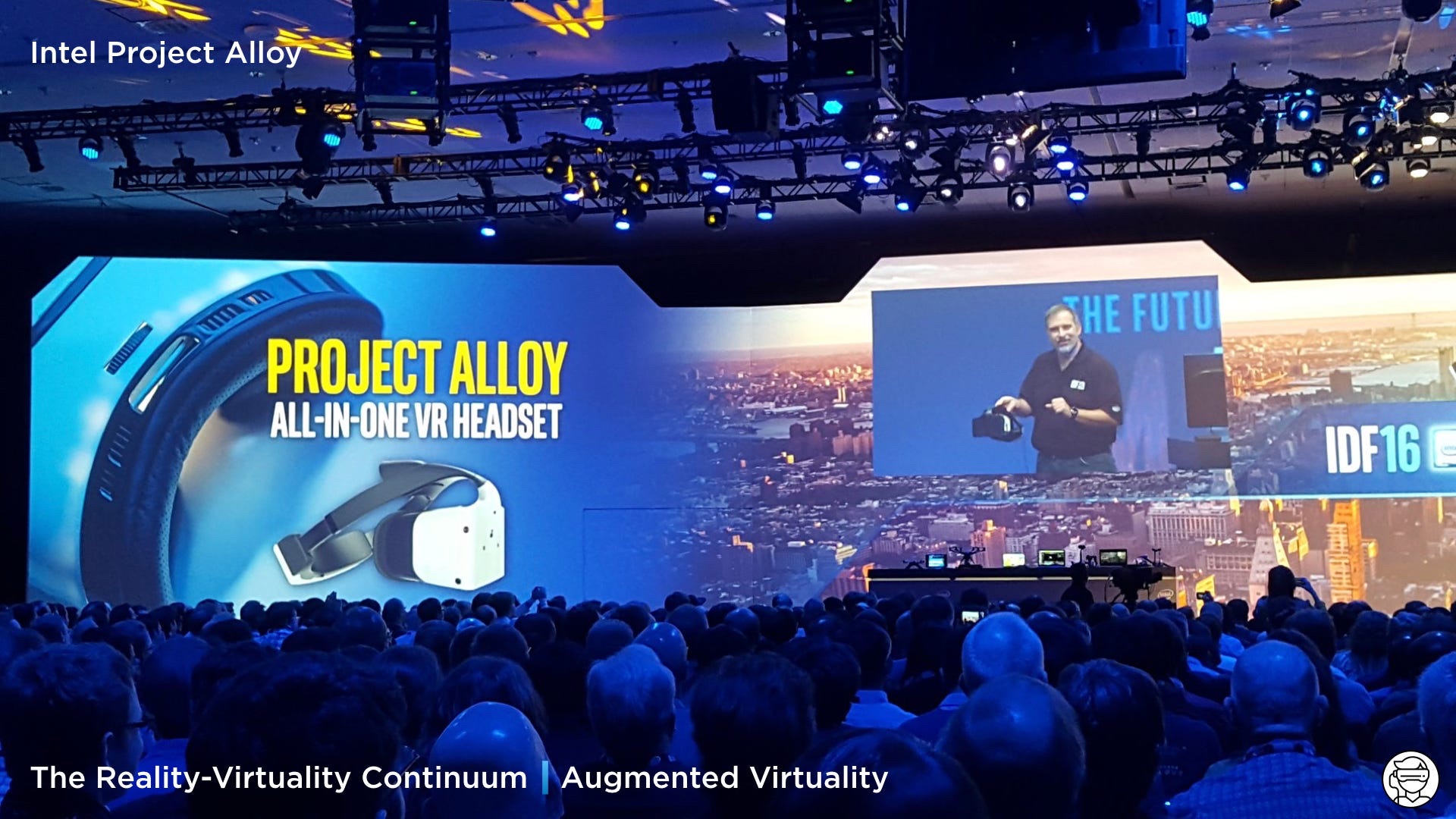
Examples of Augmented Virtuality include environments like Google Earth VR, Intel Project Alloy (now discontinued), broadcast virtual set systems such as VizRT, and digital twin scenarios where live real-world systems are represented inside virtual spaces.
On Microsoft’s “Mixed Reality”
Microsoft introduced its own platform language around “Windows Mixed Reality.”
A key point: those first headsets were fundamentally VR devices. The branding broadened the term “Mixed Reality” in a way that often blurred the distinction between AR and VR.
Video reference: Introducing Windows Mixed Reality
In practice, those headsets were closer to other VR systems (HTC Vive, Oculus Rift, PlayStation VR), with differences in tracking setup and sensor dependencies.
Why This Still Matters
Mixed Reality remains one of the most consequential technology shifts for communication, entertainment, education, collaboration, and machine learning.
Hardware maturity has taken longer than many predicted, but the direction is clear.
The terminology matters because clarity shapes products, expectations, and user understanding. If we define the spectrum precisely, we build better systems on top of it.